


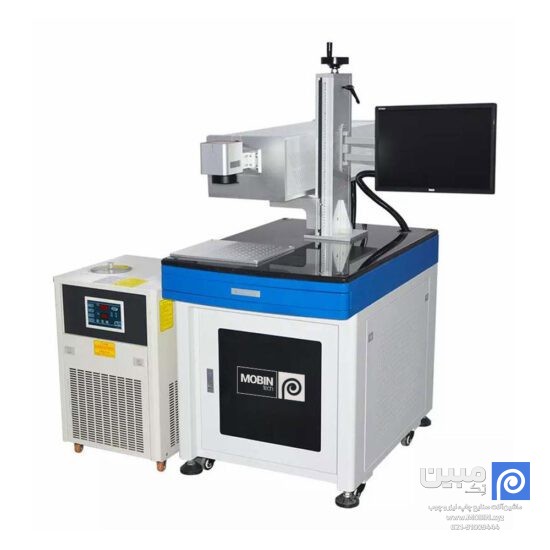
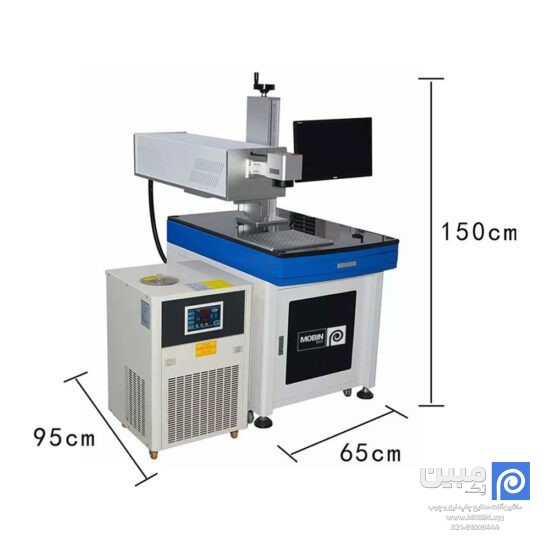

Infrared Picosecond Laser Marking Machine
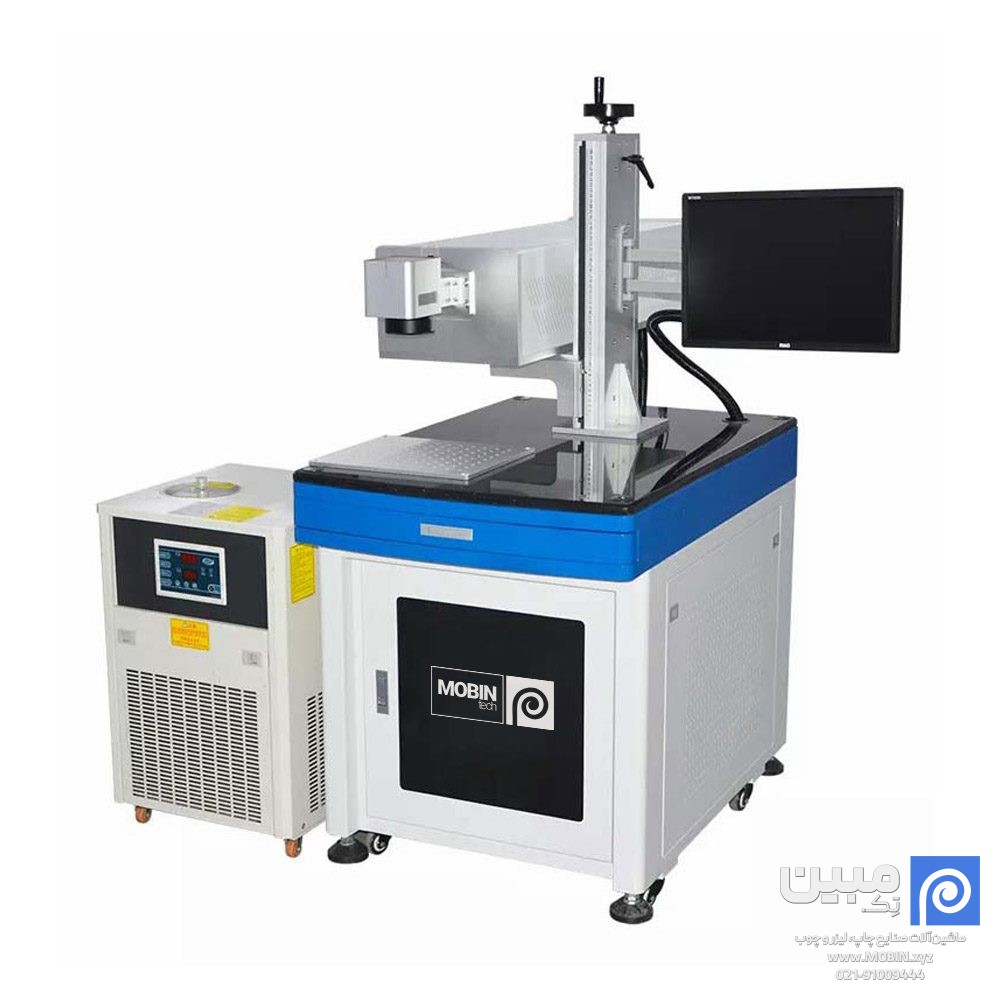
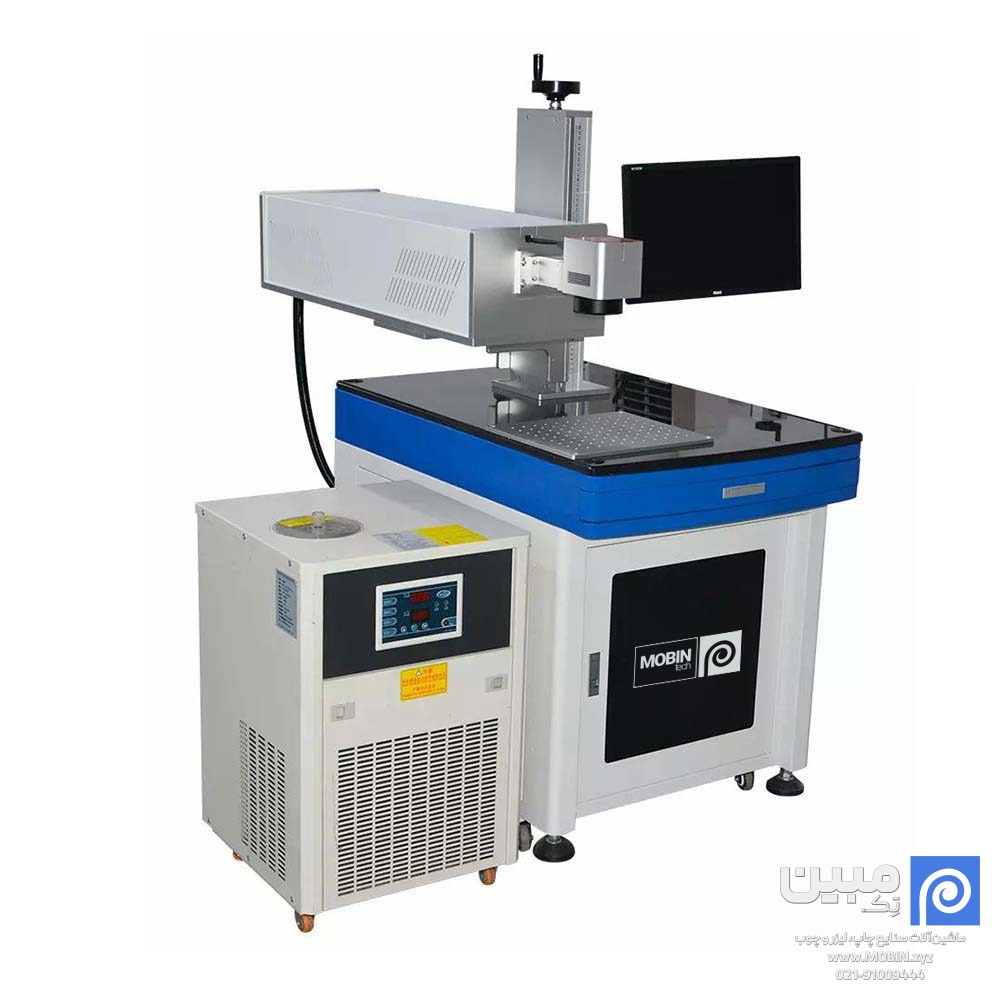
Infrared Picosecond Laser Marking Machine Subset Types of laser marking machines And they use infrared lasers with ultra-short pulses for engraving and marking. These devices are widely used in micromachining technology, medical device manufacturing, jewelry engraving, semiconductor manufacturing, engraving and milling, glass processing and materials research. The goal of these devices is to achieve high precision, micron-level processing and minimal thermal impact.
Related products

Special sale!



Special sale!

Description
📅 Content updated on: 1404/07/29
Infrared Picosecond Laser Marking Machine for Medical
Infrared picosecond laser engraving and marking machine uses laser beams to permanently mark various types of materials on their surface. The marking effect is achieved by evaporating surface materials to reveal deeper layers of the material, or by causing chemical and physical changes in the surface materials using light energy to "etch" traces, or by burning some materials with light energy to reveal engraving patterns, texts, codes and other types of graphics.

Picosecond laser engraving machine
The picosecond laser machine can create color markings on titanium and black markings on anodized aluminum and stainless steel.
All identifiers of medical devices, implants, instruments and equipment must be permanently, clearly and accurately marked. This feature is important for the traceability and transparency of medical products and devices, ensuring that they can be properly tracked and identified throughout their lifecycle. Picosecond laser black marking is widely used in medical implants, surgical instruments and disposable products. Therefore, the picosecond laser marking machine is an ideal tool for improving quality control, traceability and safety in the medical industry.

Laser source
The GXP 1064 series infrared picosecond laser with simple user interface has an integrated design that offers simple structure and reliable performance. This laser has a narrow pulse width and high peak power, making it suitable for high-precision industrial applications.
Excellent beam quality (M2 <1.2) supports PSO, Burst and FFC modes in an integrated design. The device has a compact structure and high long-term stability for 24/7 use in industrial environments.

Mirror scan
ScanQuick3 digital scanning mirror λ=1064nm
M series high-speed scanning mirrors can carry 10mm reflection mirrors, with a maximum impact spot diameter of 10mm, which are used in optical scanning, laser marking, drilling, micro-processing and medical industry sectors.
This optical scanning system has high speed, low deviation, high positioning accuracy, and reliable and stable performance. Its overall performance has reached the domestic advanced level, and is mainly suitable for high-speed and online marking of fiber lasers, CO2, UV and other lasers.
This system supports international standard XY2-100 protocols.

Lens λ=1064nm
The F-theta scanning lens, also known as a field lens, flat field focusing lens, or linear lens, has an image height equal to the focal length multiplied by the scanning angle (y = f * θ). Unlike conventional focusing lenses that focus the laser beam on a single point, the scanning lens disperses the laser beam to multiple points in the scanning area or workpiece, creating light spots evenly across the marking surface. This means creating focused, evenly sized light spots across the entire marking surface.

Control software
Software core: 32-bit or 64-bit.
Laser support: CO2, YAG, Fiber, etc. This software can adjust laser parameters such as current, pulse frequency and duty cycle according to different laser specifications.
IO control: Port control capabilities have been added to easily provide automation (one input port and two output ports).
Multi-language support: Built-in support for Chinese, English, Korean, Japanese, French, and German. You can easily localize it by translating the language pack.

Laser chiller
- Water cooling
- Dual digital display
- Full-power cooling and heating control
- Precise temperature control, temperature fluctuations controllable within 0.5℃
- Automatic sensor failure detection and water flow alarm
- The main board uses a high-integration chip that has strong anti-interference ability.
- Has anti-freeze function, which can protect device components in low temperature environments
- With universal wheels, easy to move
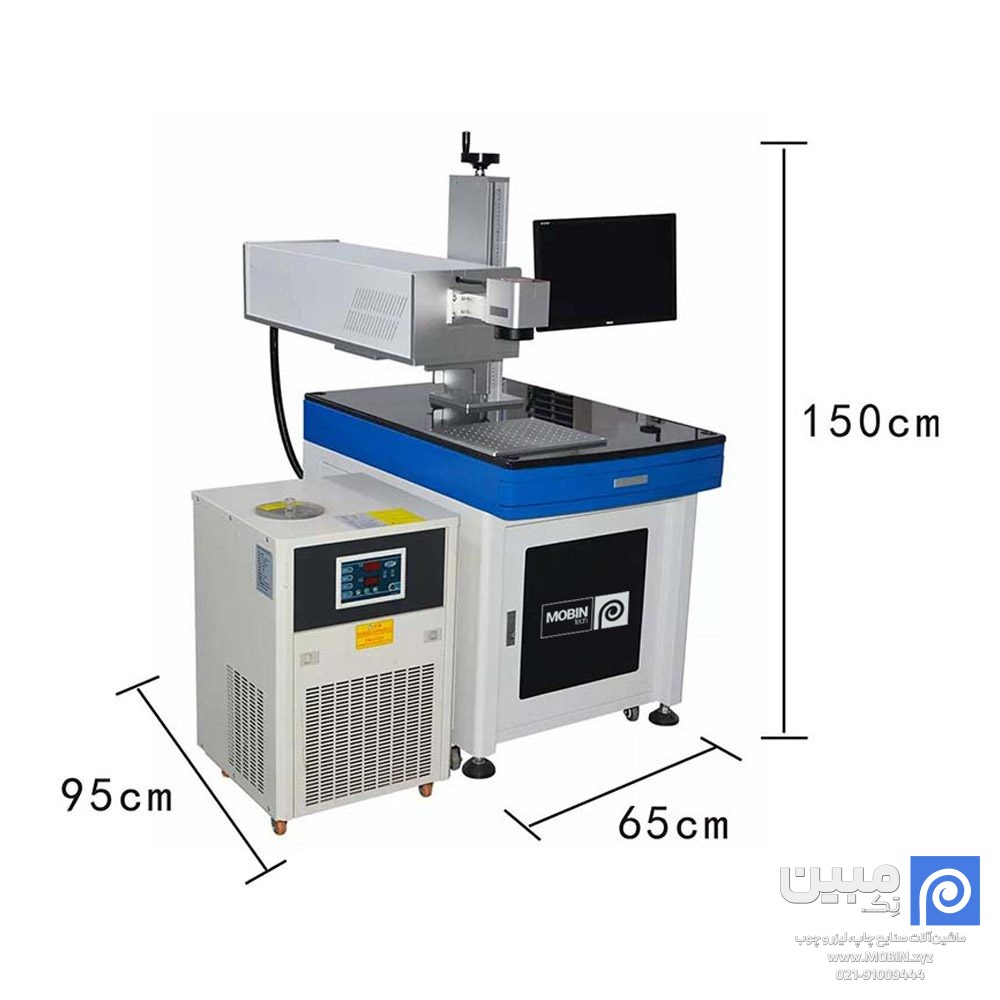
- Compact dimensions, easy operation, low energy consumption and stable performance
Advantages of infrared picosecond laser marking system
Picosecond laser marking machine can replace UV, CO2, fiber and MOPA nanosecond laser marking machines. DPLASER picosecond laser marking machine has many advantages:
Stable performance
- Laser source (40,000 hours useful life)
- Proven solid-state amplifier technology
- Import of main components
Power
- Integrated device design
- Burst pulse editing function
- Support for PSO functionality
- Data monitoring and analysis
- Fast power switching capability
Low maintenance cost
- Modular design that allows for separate maintenance
- Fast after-sales service response, on-site repairs, low cost
Features
- Excellent beam quality (M2<1.2), supports PSO, Burst, FFC modes, integrated design, compact structure, high long-term stability
- 24/7 industrial application, GXP 1064 infrared picosecond laser series
- Integrated design, simple structure, reliable performance
- Narrow pulse width, high peak power, focus on micro-nano processing
- Simple and user-friendly operation, the machine has good stability; the special control software is compatible with software such as AutoCAD, CorelDRAW, Photoshop and other output software.
- Ability to receive various file formats such as BMP, JPG, DXF, PLT, AI, etc.
- Ability to automatically generate serial numbers, production dates, barcodes, and QR codes
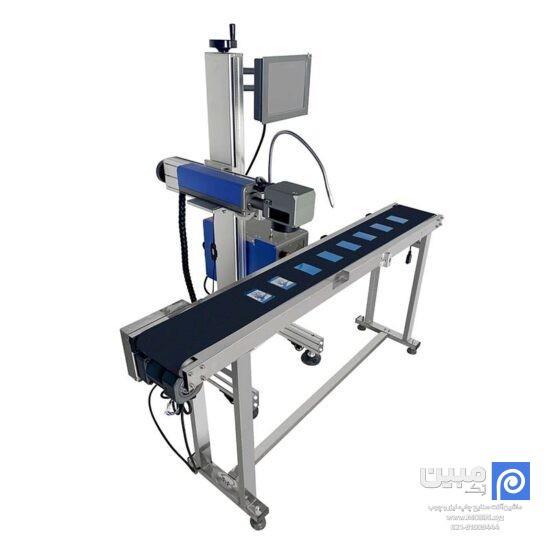
- Supports flying marking and rotating marking
Glass Marking Comparison – Infrared Picosecond Laser and UV Nanosecond Laser

Picosecond laser marking applications
The picosecond laser can mark a wide range of materials, including metals, plastics, and glass, making it suitable for use in a variety of medical applications.
- Cutting and drilling brittle materials, Matte glass surface (glass, sapphire and ceramic)
- LCD and OLED screen cutting
- Glass scale marking – Home appliance industry
- Battery cell blackening, electrolyte corrosion prevention – New energy industry
- Black laser marking on medical metals – Medical equipment
- Acrylic interior engraving – Decoration
- Jade deep engraving, 3D relief engraving – Crafts
- Wafer marking – Semiconductor industry
- Aluminum oxide blackening – Metal processing
- Ceramic circular scale for smart watch – Smart wearables
- Picosecond infrared laser marking for aluminum oxide blackening – Food packaging

Device comparison Infrared Picosecond Laser Marking Machine With Fiber marking
Device comparison Infrared Picosecond Laser Marking Machine With Fiber marking It's interesting, because they both have infrared technology, but they have key differences in how they work and what they can do. Let's put the two side by side:
1. Laser type and pulse
| Feature | Picosecond | Fiber marking |
|---|---|---|
| Pulse type | Picosecond (incredibly short) | Nanosecond (longer) |
| Thermal effect | Very low (cold engraving) | Medium (thermal engraving) |
| Engraving accuracy | Extremely high | High, but not as accurate as picoseconds |
2. Engraving quality
| Feature | Picosecond | Fiber marking |
|---|---|---|
| The elegance of engraving | Ideal for micro engraving and very fine details | Suitable for general precision engraving |
| Sensitive materials (such as glass) | Excellent, no cracks or material changes | Inappropriate, there is a possibility of leaving. |
| Engraving depth | More superficial | Deeper |
3. Applications
| Feature | Picosecond | Fiber marking |
|---|---|---|
| Electronics industries | Ideal for sensitive circuits | Suitable, but less accurate |
| Jewelry making | Extremely fine engraving on metals | Suitable for general engraving on jewelry. |
| Industrial metals | Surface and precise engraving | Great for fast and deep engraving |
| Plastics | No discoloration or burning. | Possibility of discoloration or burning |
| Glass and ceramics | Excellent | Inappropriate |
4. Speed and cost
| Feature | Picosecond | Fiber marking |
|---|---|---|
| Engraving speed | Slightly slower (due to high accuracy) | Faster |
| Device cost | Very expensive | More economical |
| Maintenance cost | Top | Low |
5. Choice based on need
| Type of need | Picosecond | Fiber marking |
|---|---|---|
| Ultra-fine engraving and sensitive materials | ✔️ | ❌ |
| Deep and fast engraving on metals | ❌ | ✔️ |
| General industrial application | ❌ | ✔️ |
| Economic budget | ❌ | ✔️ |
Conclusion:
- Picosecond Laser:
It is used for extremely fine engraving on sensitive materials such as glass, thin plastic, or small electronic components.
If quality and accuracy are your priority and you have a high budget, this device is great. - Fiber marking:
A versatile choice for engraving on metals and hard plastics. Better suited for general industrial applications where speed and depth are more important.
Differences with Q-Switched and MOPA fiber devices
| Feature | Q-Switched | MOPA | Picosecond |
|---|---|---|---|
| Pulse type | Nanosecond | Adjustable nanoseconds | Picosecond (10⁻¹² seconds) |
| Thermal effect | A lot | Less | Almost zero |
| Brand quality | Good | Excellent | Perfect and without burns |
| Marking capability on sensitive materials | Limited | Medium | Very high |
| Brand durability | Top | Very high | Extremely high |
| Price | Down | Medium | Top |
| Suitable for | General industrial brands | Delicate and colorful brand | Accurate and error-free marking for specific parts |
Reviews (0)

Get price list
Related products
Special sale!


Special sale!