

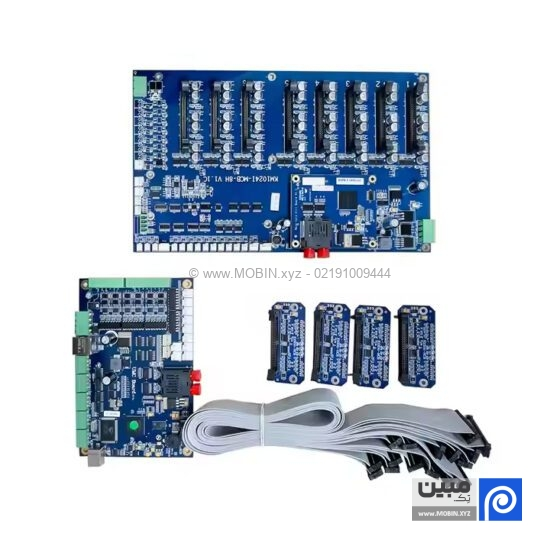
شروع از ۱۲۸,۲۲۰,۰۰۰ تومان
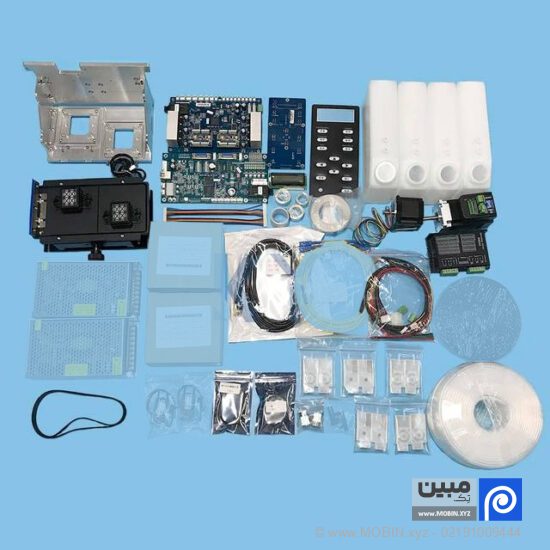
۴۰۸,۱۵۰,۰۰۰ تومان
شروع از ۲۳۷,۸۰۰,۰۰۰ تومان
جدید
شروع از ۲۹۰,۸۰۰,۰۰۰ تومان
فروش ویژه!
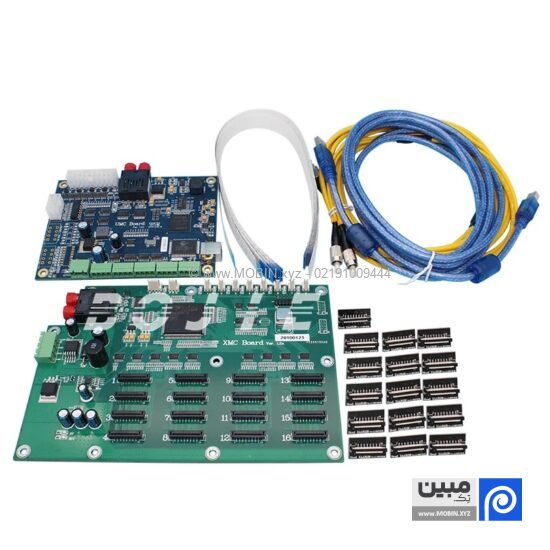
شروع از ۱۷,۷۷۰,۰۰۰ تومان
شروع از ۹۶,۸۷۰,۰۰۰ تومان
شروع از ۱۴۹,۳۰۰,۰۰۰ تومان
شروع از ۹۸,۸۰۰,۰۰۰ تومان
شروع از ۱۵۴,۴۰۰,۰۰۰ تومان
شروع از ۹۶,۲۳۰,۰۰۰ تومان
شروع از ۱,۳۴۰,۰۰۰ تومان
شروع از ۳,۳۴۰,۰۰۰ تومان
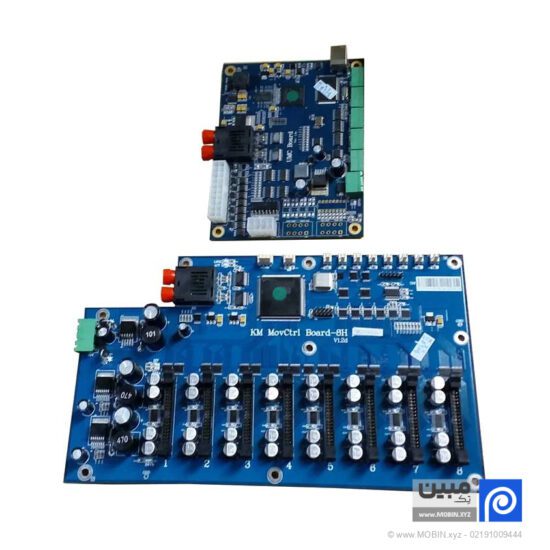
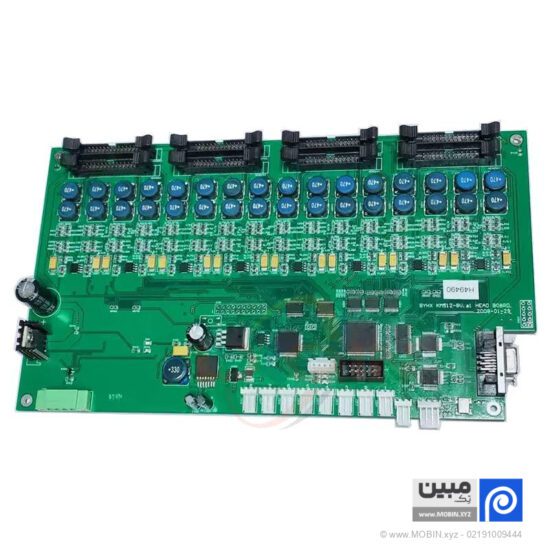
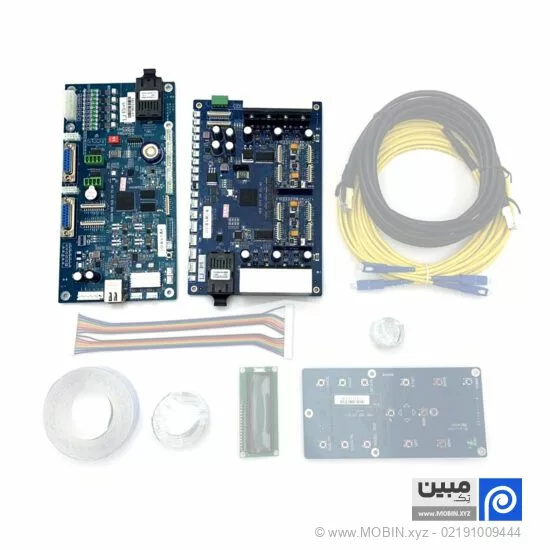
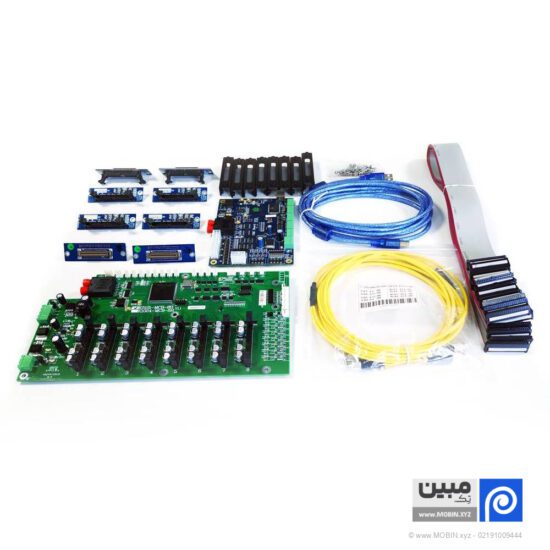
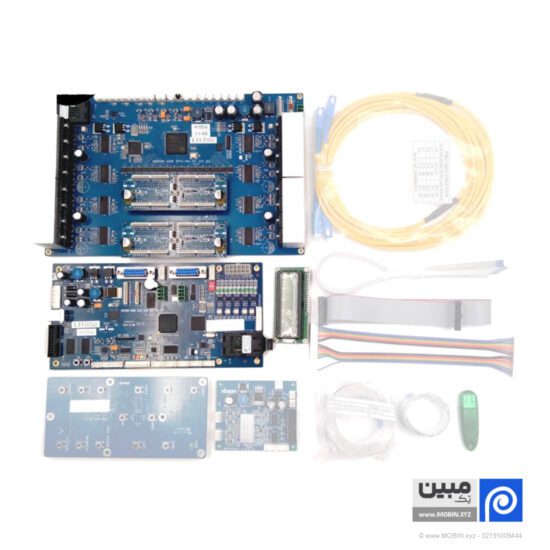
بردهای الکترونیکی، اجزای کلیدی در طراحی و عملکرد دستگاههای الکترونیکی هستند. این بردها با فراهم کردن بستر الکتریکی برای اجزای مختلف، نقش مهمی در عملکرد صحیح دستگاهها ایفا میکنند. در این مقاله به بررسی انواع بردهای الکترونیکی از جمله کریج برد، مین برد، ساب باکس و هد برد و کاربردهای هر یک خواهیم پرداخت.
انواع برد الکترونیکی و کاربردهای آنها
کریج برد (Circuit Board)
تعریف: کریج بردها که معمولاً به نام "مدار چاپی" (PCB) نیز شناخته میشوند، بردهای الکترونیکی هستند که اجزای الکترونیکی مختلف بر روی آنها نصب میشوند. این بردها معمولاً از لایههای مسی و عایق ساخته شدهاند که برای اتصال و پشتیبانی از قطعات الکترونیکی به کار میروند.
کاربرد: کریج بردها در تمام دستگاههای الکترونیکی شامل کامپیوترها، تلفنهای همراه، تلویزیونها و لوازم خانگی استفاده میشوند. آنها پایهای برای اتصال و تعامل اجزای مختلف فراهم میکنند و از تداخل سیگنالها جلوگیری میکنند.
مین برد (Motherboard)
تعریف: مین برد یا مادربرد، برد اصلی در کامپیوترها و بسیاری از دستگاههای الکترونیکی است که تمام اجزای اصلی را به هم متصل میکند. این برد شامل اسلاتهای پردازنده، رم، کارتهای گرافیک و دیگر اجزای مهم است.
کاربرد: مین برد نقش کلیدی در عملکرد کامپیوترها و دستگاههای دیجیتال ایفا میکند و وظیفه برقراری ارتباط بین اجزای مختلف و هماهنگی عملکرد آنها را بر عهده دارد.
ساب باکس (Sub-Board)
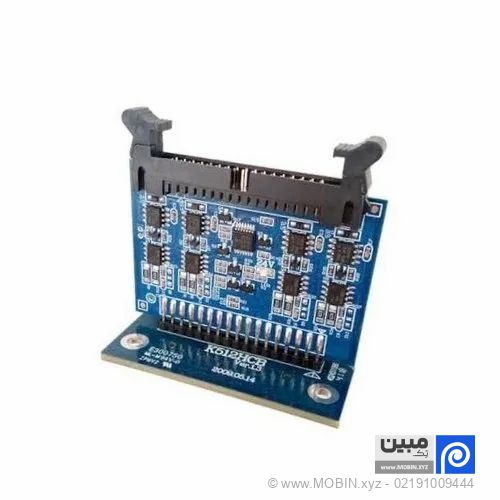
تعریف: ساب باکسها، بردهای کوچکتری هستند که به عنوان زیرمجموعهای از مین برد یا دیگر بردهای اصلی عمل میکنند. این بردها معمولاً برای کنترل عملکرد بخشهای خاصی از دستگاه استفاده میشوند.
کاربرد: ساب باکسها در دستگاههایی مانند تلویزیونهای ال سی دی و لوازم خانگی برای مدیریت عملکرد بخشهای مختلف دستگاه مورد استفاده قرار میگیرند. آنها به مین برد کمک میکنند تا بار پردازش را توزیع کرده و عملکرد کلی دستگاه را بهبود بخشند.
هد برد (Head Board)
تعریف: هد بردها بردهای تخصصی هستند که معمولاً در دستگاههایی مانند پرینترها و دستگاههای فتوکپی استفاده میشوند. این بردها وظیفه مدیریت و کنترل عملکرد اجزای اصلی دستگاه مانند هد چاپ را بر عهده دارند.
کاربرد: هد بردها در دستگاههای چاپ و اسکنر برای کنترل دقیق و هماهنگ حرکت هد چاپ و یا اجزای دیگر استفاده میشوند و به بهبود کیفیت چاپ و عملکرد دستگاه کمک میکنند.
نکات کلیدی در انتخاب و نگهداری بردهای الکترونیکی
کیفیت ساخت: انتخاب بردهای با کیفیت بالا از مواد مناسب میتواند به دوام و عملکرد بهتر دستگاه کمک کند.
تطابق با دستگاه: مطمئن شوید که برد انتخابی با دستگاه شما سازگار است و به درستی با سایر اجزا هماهنگ میشود.
پشتیبانی و خدمات: استفاده از برندها و تأمینکنندگان معتبر که خدمات پشتیبانی و گارانتی ارائه میدهند، میتواند به حل مشکلات و تعمیرات احتمالی کمک کند.
نتیجهگیری
بردهای الکترونیکی نقش بسیار مهمی در عملکرد و نگهداری دستگاههای الکترونیکی ایفا میکنند. با درک دقیق از انواع بردها و کاربردهای آنها، میتوانید انتخاب بهتری داشته باشید و از عملکرد بهینه دستگاههای خود بهرهمند شوید. توجه به کیفیت و سازگاری بردهای الکترونیکی میتواند به طول عمر بیشتر دستگاهها و کاهش مشکلات فنی کمک کند.