



Special sale!
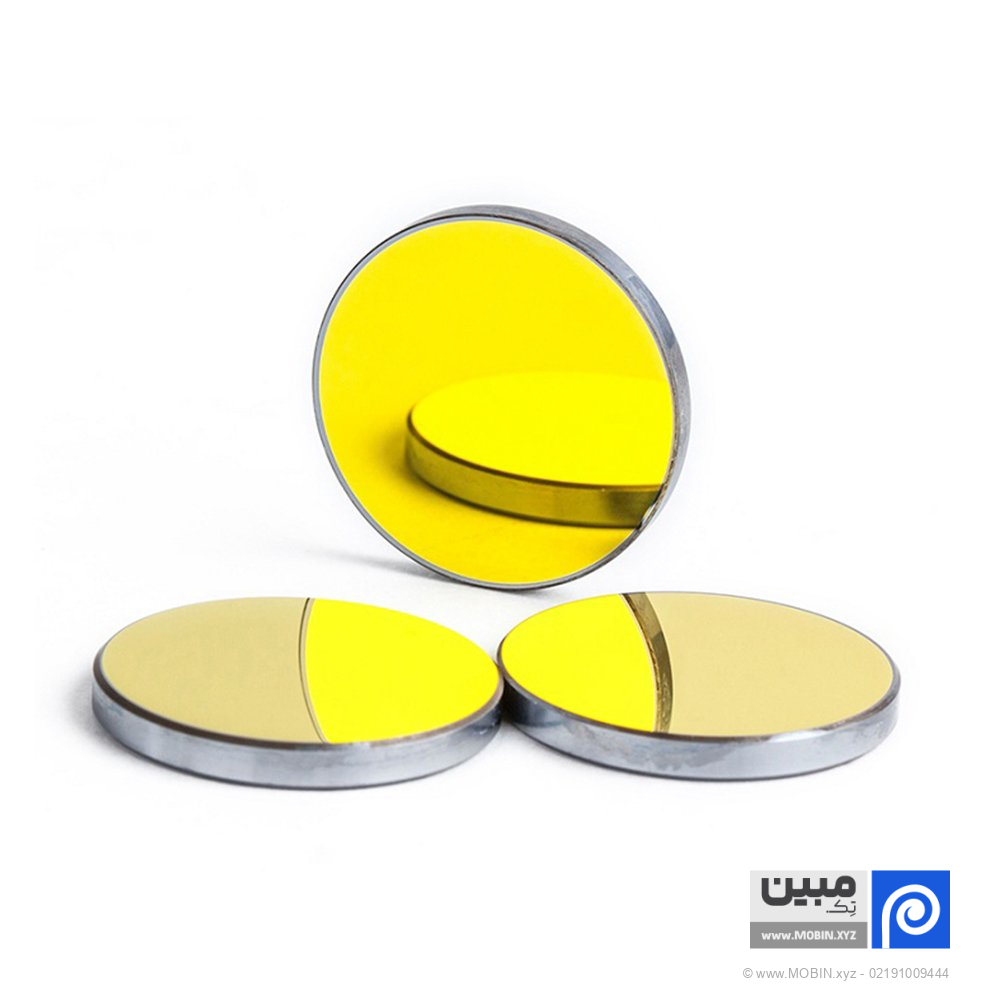
Mirror for non-metal laser machine
Mirrors used in Non-metal laser cutting machine, are vital optical components that play an important role in transmitting laser light to the machine head. The mirrors of the laser machine must be of high quality in order to be able to transmit laser light to the desired head with the least amount of power loss. In laser cutting machines for non-metals, a laser beam with a diameter of less than (0.5) mm and in the Infra-Red spectrum range is produced by the laser tube. Then, this laser beam is directed towards the machine head by three precisely adjusted mirrors in its path to work on the desired material.
The minimum order volume for bulk purchases is 15 pieces.
Related products




Description
📅 Content updated on: 14/04/2020
In a non-metallic laser machine, mirrors play a vital role in guiding and focusing the laser beam onto the material being processed. Here are some explanations:
- Performance: Mirrors in laser machines have two essential roles: reflection and focusing. They reflect the laser beam produced by the laser source and direct it in the desired direction towards the workpiece. In addition, they focus the laser beam to a precise spot size to optimize the energy density for cutting, engraving or marking.
- Materials: The choice of mirror material is critical to the performance of the laser. Common materials include silicon, molybdenum, copper, or other metals with high thermal conductivity. These materials can quickly dissipate the heat generated by the laser, prevent the mirrors from deteriorating, and maintain their reflective properties over long periods of time.
- Coatings: Mirrors used in laser machines are often coated with special materials to provide high reflectivity at the laser wavelength. Dielectric coatings, consisting of several thin layers of materials such as silicon dioxide (SiO2) and aluminum oxide (Al2O3), are commonly used to achieve high reflectivity.
- Precision engineering: Laser mirrors are precision components that are engineered for optimal performance. Their surfaces must be polished to a very smooth finish to minimize scattering and maintain beam quality. Additionally, the mirrors are mounted within the laser system with precise alignment to maintain beam stability and accuracy.
- Resistance: Laser mirrors are exposed to intense heat and high-power laser radiation during operation. Therefore, they must be robust and resistant to thermal degradation. The materials and coatings selected must withstand these harsh conditions without degradation to provide stable and consistent performance and longevity.
- Maintenance: Regular maintenance is vital to keep laser mirrors clean and free of contaminants that can impair performance. Cleaning methods typically include wiping with lint-free wipes and appropriate detergents to prevent scratches and damage to the mirror surface.
Overall, laser mirrors are critical components in non-metallic laser machines that provide precise control and management of the laser beam for a variety of industrial applications such as cutting, engraving, welding, and marking.
Additional information
| Model | Grade 1 American materials, Grade 2 Chinese materials |
|---|---|
| Order volume |
Reviews (0)

Get price list


